January 21, 2026
Your home’s siding does far more than contribute to curb appeal. It serves as a protective shell that shields the structure from moisture, wind, temperature extremes, and pests. Over time, even the most durable siding materials can begin to fail due to age, weather exposure, and general wear. Many homeowners are unsure when cosmetic flaws cross the line into functional problems, which often leads to delayed replacement and more costly repairs.
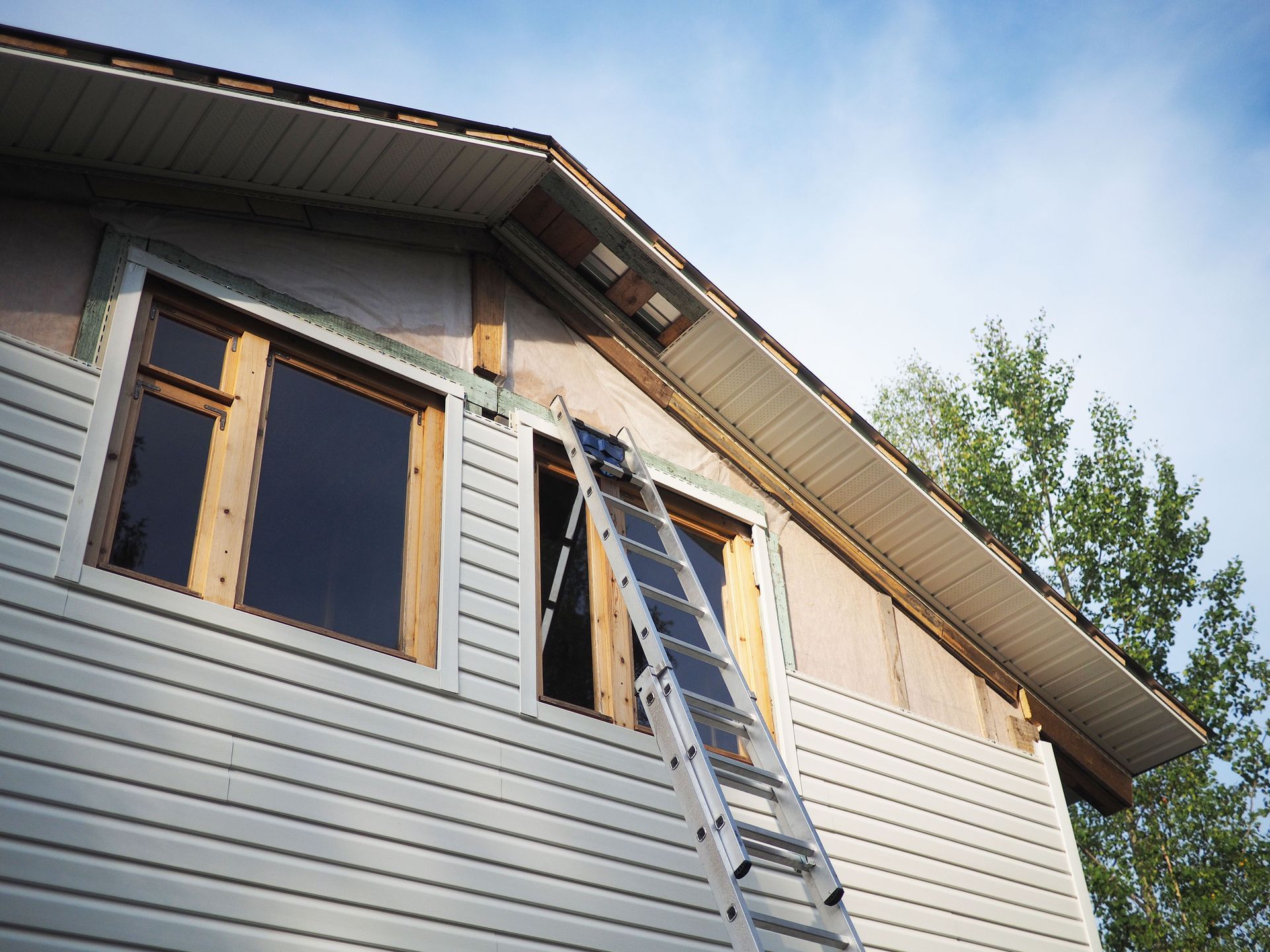
Recognizing the signs that indicate siding replacement is necessary allows you to act before damage spreads beneath the surface. Siding that is cracked, warped, or deteriorating can expose your home to water intrusion, insulation loss, and structural issues. Siding companies frequently encounter situations where early intervention could have saved homeowners significant expense and disruption.
By understanding the warning signs discussed below, you can make informed decisions that protect your home’s value, improve energy efficiency, and reduce long-term maintenance. Partnering with experienced siding companies ensures proper evaluation, material selection, and installation when replacement becomes the best option.
1. Cracks, Gaps, or Visible Breaks in Siding
One of the earliest and most noticeable signs that siding needs replacement is the appearance of cracks or gaps. These openings often develop as siding materials expand and contract with temperature changes. Over time, repeated movement weakens the material, creating visible fractures that compromise the protective barrier of your home.
Cracks and gaps allow moisture, insects, and small animals to enter the wall system. Water intrusion is particularly concerning, as it can lead to rot, mold growth, and insulation damage behind the siding. Even minor gaps can worsen as moisture freezes and expands during colder months. Siding companies often find that what appears to be surface damage is actually masking deeper structural problems.
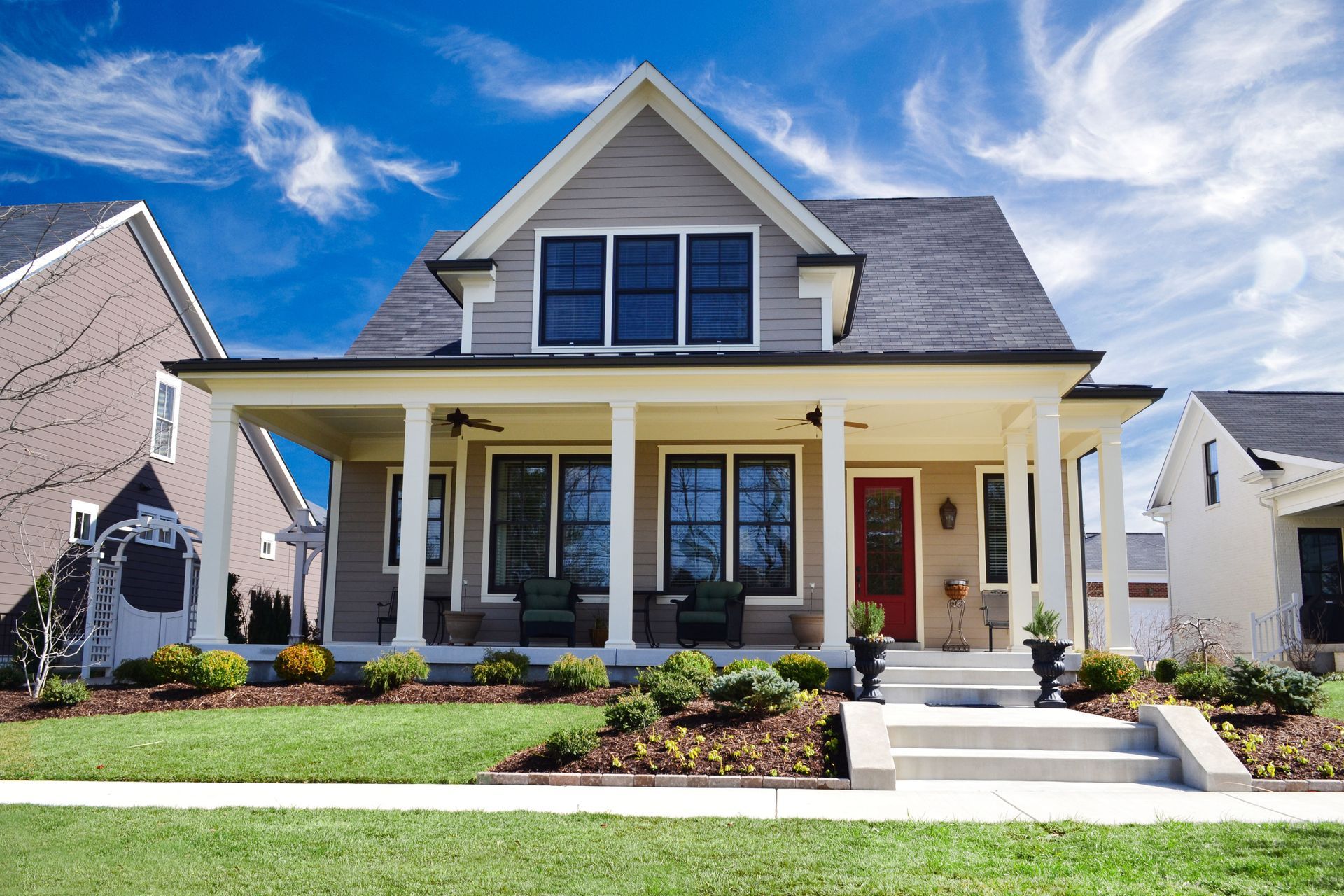
Beyond functional concerns, cracked siding negatively impacts curb appeal. Peeling paint, broken panels, and uneven surfaces can make a home look neglected. When repairs become frequent or widespread, replacement is often more cost-effective than patchwork fixes. New siding restores visual appeal while providing renewed protection.
2. Warped, Buckling, or Rotting Panels
Warped or buckled siding is a strong indicator of moisture-related damage or improper installation. Excessive heat exposure can also cause certain materials to warp, especially when ventilation or drainage is inadequate. Once siding begins to warp, it no longer sits flush against the home, creating openings that allow water infiltration.
Rotting siding is an even more serious concern. Wood-based materials are especially vulnerable to prolonged moisture exposure, but any siding can suffer damage if water becomes trapped behind it. Rot compromises the structural integrity of the wall system and can spread quickly if left unaddressed. Siding companies regularly encounter rot that has progressed far beyond what homeowners initially expected.
Replacing warped or rotted siding helps prevent further deterioration of framing, sheathing, and insulation. Modern siding materials are designed to resist moisture absorption and reduce the likelihood of future damage. Investing in replacement at the first signs of warping or rot protects both the structure and longevity of your home.
3. Fading, Discoloration, or Uneven Appearance
Fading and discoloration are common as siding ages, particularly in homes exposed to prolonged sunlight. Ultraviolet rays gradually break down pigments, causing colors to dull and lose consistency. While fading may seem purely cosmetic at first, it can signal that the siding’s protective qualities are diminishing.
Discoloration can also result from moisture issues, pollution, or biological growth. Uneven coloring often highlights areas where siding is absorbing water or deteriorating at different rates. Siding companies frequently assess whether fading is simply aesthetic or indicative of deeper material breakdown.
Although repainting or cleaning may temporarily improve appearance, these solutions are often short-lived. When fading becomes extensive or recurring, replacement offers a more durable and attractive solution. New siding materials retain color longer and require far less upkeep to maintain their appearance.
4. Escalating Maintenance and Repair Needs
All siding requires some level of maintenance, but increasing repair frequency is a warning sign that replacement may be approaching. If you find yourself repeatedly fixing loose panels, repainting sections, or sealing gaps, the cumulative cost and effort can quickly surpass the value of new siding.
Older siding materials often demand more time and money to maintain acceptable performance. As protective layers wear down, repairs become less effective and more frequent. Siding companies often advise homeowners to compare ongoing maintenance expenses with the long-term benefits of replacement.
Upgrading to modern siding significantly reduces maintenance requirements. Many newer options are engineered for durability, weather resistance, and low upkeep. Replacing high-maintenance siding allows homeowners to enjoy a more efficient, worry-free exterior.
5. Mold, Mildew, or Fungal Growth
The appearance of mold, mildew, or fungus on siding is a clear sign of excess moisture. These growths not only detract from your home’s appearance but can also pose health risks. Spores may enter the home, affecting indoor air quality and aggravating respiratory conditions.
Persistent biological growth often indicates underlying moisture problems such as leaks, inadequate drainage, or failing siding materials. While cleaning may remove surface growth temporarily, it does not resolve the root cause. Siding companies frequently find moisture trapped behind siding when mold repeatedly returns.
Replacing siding with moisture-resistant materials helps eliminate conditions that allow mold and mildew to thrive. Proper installation and ventilation further reduce the risk of future growth, creating a healthier and more durable home exterior.
6. Rising Energy Bills and Comfort Issues
Unexpected increases in energy bills can be linked to failing siding. When siding no longer provides adequate insulation or allows air leakage, heating and cooling systems must work harder to maintain comfortable indoor temperatures. Drafts, cold spots, and uneven room temperatures often accompany siding-related energy loss.
Older siding may not meet modern energy efficiency standards, contributing to higher utility costs. Insulation gaps and deteriorated materials reduce thermal performance, especially during extreme weather. Siding companies often recommend evaluating siding as part of an overall energy efficiency assessment.
Replacing siding with insulated or energy-efficient materials can significantly reduce energy consumption. Improved insulation helps stabilize indoor temperatures, lower utility bills, and enhance overall comfort throughout the year.
7. The Age and Expected Lifespan of Your Siding
Understanding the expected lifespan of your siding helps determine when replacement is likely necessary. Different materials age at different rates, and performance declines as siding approaches the end of its service life. According to The Spruce, vinyl siding typically lasts 30 to 40 years, but with regular maintenance, it can exceed 60 years.
If your siding is nearing or exceeding its expected lifespan, proactive replacement may be more cost-effective than continued repairs. Aging materials are more susceptible to cracking, moisture intrusion, and energy loss. Siding companies can assess whether your siding still offers adequate protection or if replacement is advisable.
Planning replacement based on age allows homeowners to avoid unexpected failures and budget more effectively. Modern siding options offer improved durability, aesthetics, and efficiency compared to older materials.
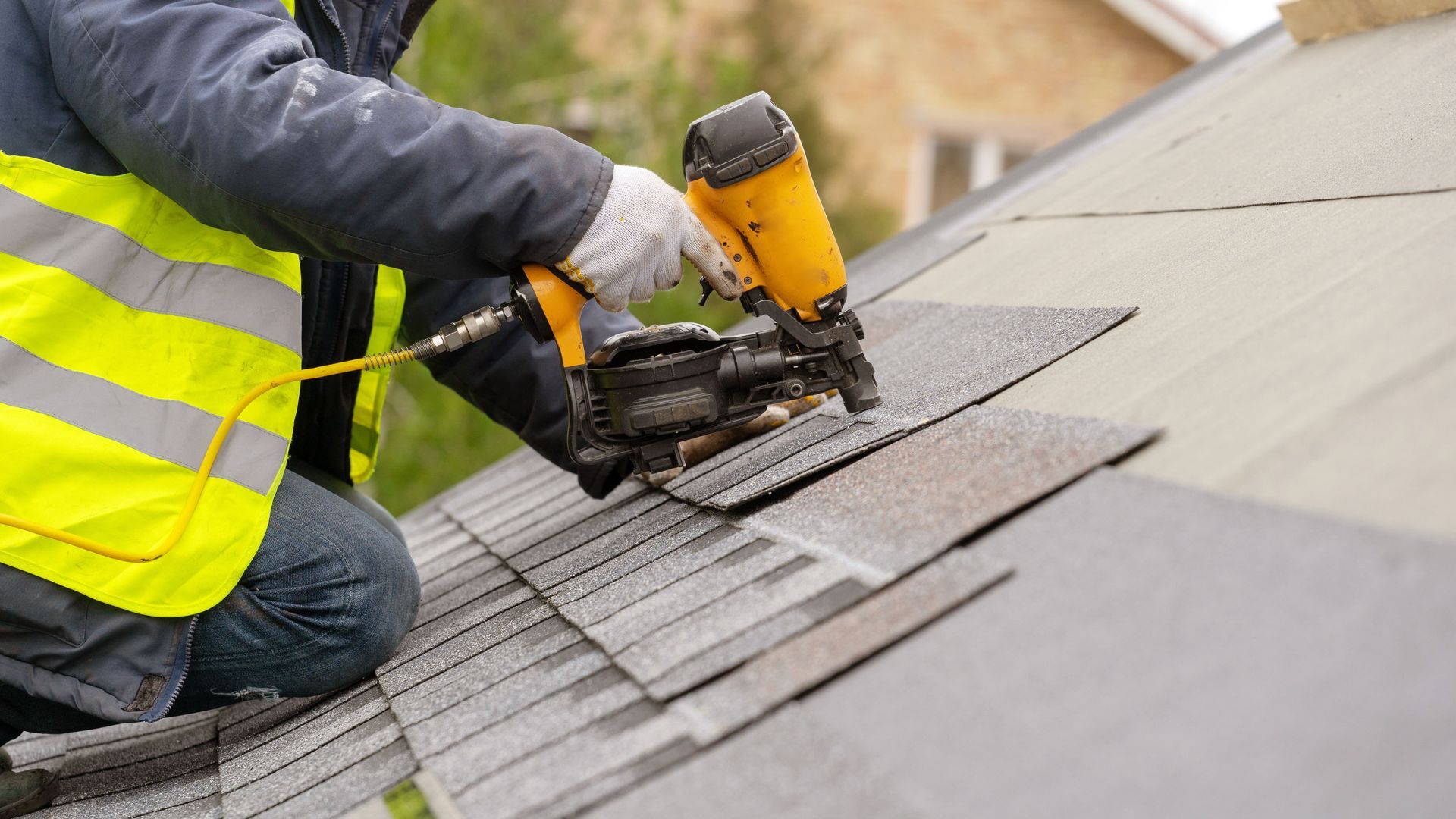
Replacing your siding is a significant investment, but delaying action often leads to higher costs and greater disruption. Cracks, warping, fading, mold growth, rising energy bills, and aging materials all signal that replacement may be necessary. Addressing these issues early protects your home’s structure, improves efficiency, and enhances curb appeal.
Modern siding options offer long-lasting durability, improved insulation, and reduced maintenance demands. If your home is showing any of the warning signs discussed above, it may be time to consult trusted
siding companies for a professional assessment.
Gamache Construction provides expert siding evaluation, replacement, and installation services designed to protect and enhance your home. Contact us today to schedule a consultation and take the next step toward a stronger, more efficient exterior.